Deadliest Ebola Outbreak in DRC History: More Than 10,300 Cases and a 48.6% Fatality Rate
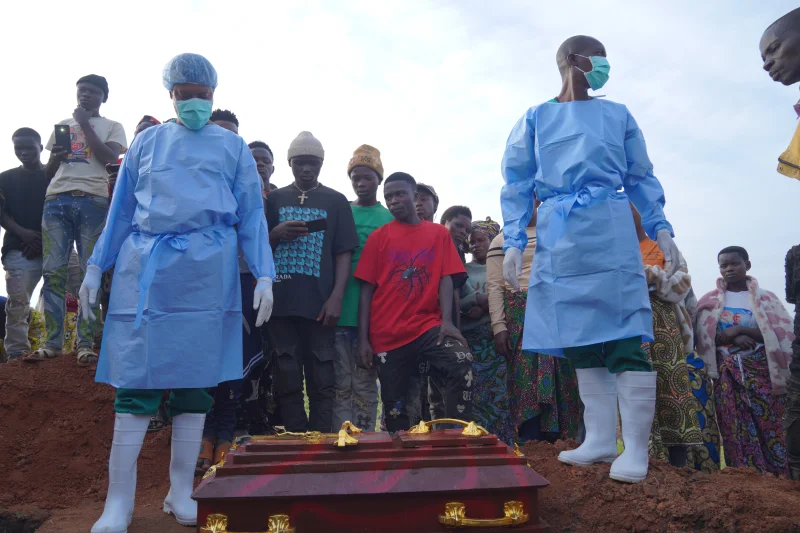
More than 5,000 people have died in the ongoing Ebola outbreak in the Democratic Republic of the Congo (DRC), making it the deadliest outbreak the country has ever experienced, according to government data. The virus has spread across eight of the country’s 26 provinces, with more than 10,300 confirmed cases and a current fatality rate of approximately 48.6%.
Public health officials declared the outbreak, which began in May, the deadliest in the country’s history in August. Efforts to contain the virus are facing growing challenges, particularly in areas affected by armed conflict.
Ituri Province Remains the Epicenter of the Ebola Outbreak
According to the Ministry of Health’s latest update, Ituri Province in northeastern DRC remains the center of the outbreak. Ongoing conflict in the region has made it more difficult for medical teams to reach affected communities and implement infection-control measures.
The current outbreak marks the 17th Ebola outbreak in the country’s history, according to the United Nations, and is considered the second-largest Ebola outbreak ever recorded worldwide.
The World Health Organization’s Regional Office for Africa has stressed the need to expand key control measures, improve access to affected areas, and strengthen community engagement to contain the virus and bring the outbreak to an end.
Testing and treatment efforts are also continuing, alongside clinical trials aimed at evaluating potential vaccines.
Bundibugyo Strain Responsible for the Current Outbreak
The current outbreak is caused by the Bundibugyo strain of the Ebola virus. There is currently no approved vaccine or specific treatment for this strain, making efforts to control the outbreak more challenging.
According to UN data, the previous deadliest Ebola outbreak in the Democratic Republic of the Congo occurred between 2018 and 2020, resulting in 2,299 deaths.
The largest Ebola outbreak in history took place in West Africa between 2014 and 2016, killing more than 11,325 people. The virus spread across several countries, including Italy, the United Kingdom, and the United States.
The United Nations has warned that the current outbreak is claiming lives at a much faster rate than previous outbreaks.
What Are the Symptoms of Ebola and How Does It Spread?
Ebola is a rare and severe viral disease whose symptoms usually appear suddenly. A patient’s condition can deteriorate as the illness progresses.
Common symptoms and complications include:
- Vomiting and diarrhea, which can lead to dehydration and a serious decline in health.
- Organ damage, which can progress to organ failure in severe cases.
- Internal or external bleeding, which occurs in some patients but not all.
The Ebola virus spreads from person to person through direct contact with infected bodily fluids, such as blood and vomit. This makes contact with infected individuals or contaminated materials a potential source of transmission.
Attacks on Healthcare Workers Complicate Ebola Response Efforts
Healthcare teams are facing additional challenges due to violence targeting medical workers and volunteers involved in containing the outbreak.
Earlier this week, a nurse was killed and another healthcare worker was seriously injured in an attack while responding to a report of an Ebola outbreak. According to Radio Okapi, which is supported by the United Nations, local youths accused infected individuals of contaminating water sources and spreading the virus.
Last month, a politician was beaten to death after promoting measures aimed at preventing the spread of Ebola.
In August, the Red Cross reported that its volunteers had been attacked and an ambulance had been set on fire, as part of 11 violent incidents recorded during the first 100 days of the outbreak.
These attacks are making it harder for medical teams to reach affected communities, conduct tests, provide healthcare, and raise awareness about prevention measures.
Ebola Spreads to Uganda, Kenya, and Nigeria
The outbreak has not been limited to the Democratic Republic of the Congo. Cases have also been reported in several other African countries, prompting health authorities to monitor suspected infections and take steps to prevent further transmission.
Uganda
Uganda recorded two deaths and 20 cases shortly after the outbreak began. However, no new cases have been reported since August. Travel restrictions remain in place for people arriving from neighboring Democratic Republic of the Congo.
Kenya
Authorities have reported nine confirmed cases and two deaths as part of ongoing efforts to monitor the spread of the virus.
Nigeria
The Nigeria Centre for Disease Control announced on Saturday that it had identified two suspected cases. Both individuals were isolated and are undergoing medical testing.
Earlier in October, authorities confirmed one Ebola case in the country. The infected woman was subsequently airlifted to Switzerland for further treatment.
Does Ebola Pose a Risk to Europe?
Despite cases linked to the outbreak being reported in several countries, the European Centre for Disease Prevention and Control has said that the likelihood of infection among people in the European region remains very low.
International health agencies continue to monitor developments, focusing on strengthening screening procedures, tracking suspected cases, and supporting response efforts in affected areas.
Containing the outbreak will depend on medical teams’ ability to reach infected individuals, implement infection-control measures, and secure cooperation from local communities. Continued research and clinical trials will also be essential to developing effective vaccines and treatments against the Bundibugyo strain.