Apple’s iPhone Duo Faces Camera Criticism: Are Users Being Too Harsh on Its First Foldable Phone?
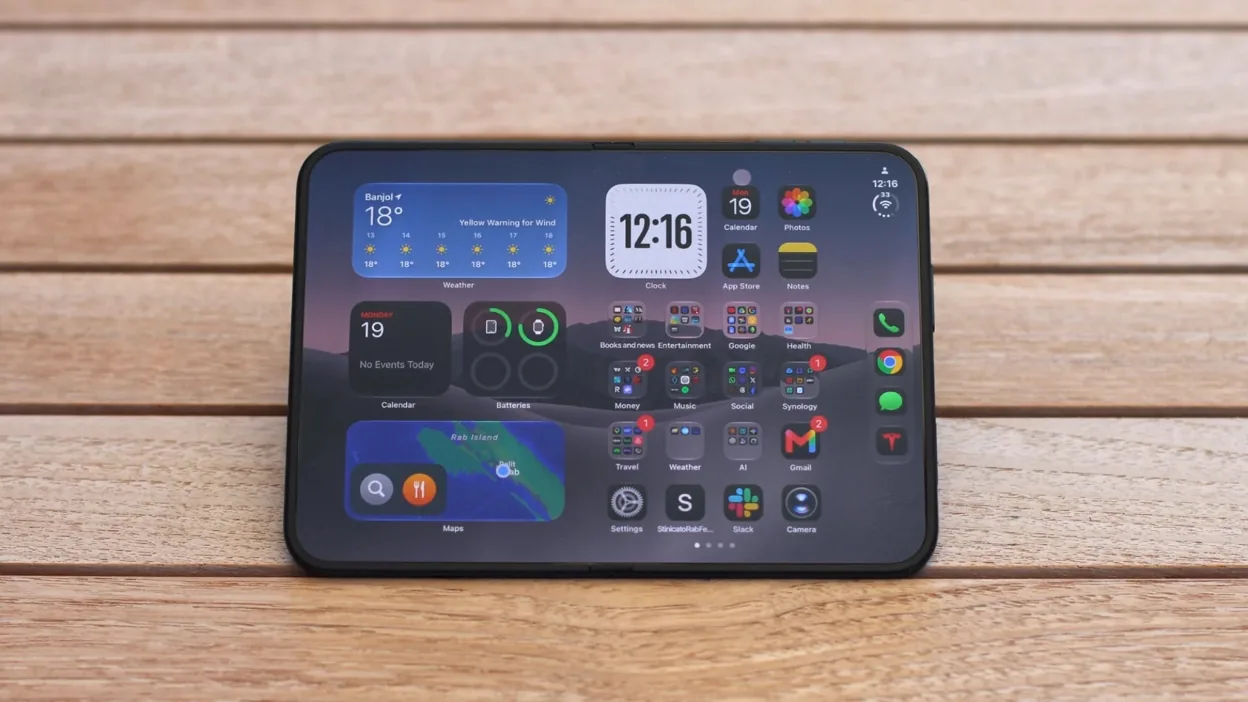
Apple’s foldable iPhone Duo has sparked a wave of mixed reactions, with some users praising its design and new experience while others criticize certain specifications, particularly its cameras and the features missing at launch. However, much of the criticism may overlook the nature of foldable phone designs and the technical compromises they require. This makes Apple’s first attempt in this category worth evaluating from a broader perspective.
According to mobile technology writer Florence Ion, the iPhone Duo represents a promising start for Apple in the foldable market, even though it does not offer every feature some users expect. She points out that foldable phones have different priorities compared with traditional smartphones.
The iPhone Duo Is Not Designed for Professional Photography
Much of the criticism surrounding the iPhone Duo focuses on its cameras, particularly among users who rely on their iPhones for content creation and social media photography.
The phone starts at $1,999 for the 256GB model, while the 2TB version costs more than $3,000. Despite its high price, it features a dual-camera system without a dedicated optical zoom lens.
Some users believe that such a premium price should come with a more advanced camera system, rather than relying heavily on sensor cropping to achieve different zoom levels.
However, the foldable design is not necessarily intended to compete with Apple’s Pro models in photography. Instead, this category focuses on providing a large internal display that supports multitasking and offers greater flexibility when using apps.
Samsung’s experience with foldable phones shows that devices in this category do not necessarily need to have the best cameras on the market to deliver a successful user experience. The ability to use the cover screen as a viewfinder when taking photos or recording videos also gives the iPhone Duo some flexibility for photography and content creation.
Adding an Advanced Zoom Lens Could Affect the Phone’s Design
Although an advanced optical zoom lens would be a useful addition, including one in the first-generation iPhone Duo could introduce other compromises involving weight and thickness.
The phone already weighs around 8.9 ounces. Adding a periscope camera module could push its weight beyond 9 ounces, while potentially increasing the thickness of its body. This could make the device less comfortable to carry and use.
This highlights Apple’s challenge in balancing camera capabilities with a slim design, especially since the iPhone Duo is already heavier than some foldable devices from Google and Samsung.
Therefore, adding more camera lenses without considering their impact on the overall design may not be the best approach for a device whose main appeal is its ability to transform from a smartphone into a larger-screen experience.
Foldable Phones Require a Different User Experience
The challenges of foldable phones go beyond designing hinges and displays. They also involve developing an operating system that can take advantage of different screen sizes and support multitasking.
Samsung spent around seven years on research and development to achieve a more mature experience with its foldable phones. The emergence of this category also pushed Google to develop Android to support multiple types of displays.
Apple, meanwhile, had to develop a new version of iOS to accommodate the iPhone Duo’s design and deliver a more integrated experience across its external and internal displays.
Among the features users are still waiting for is the ability to resize app windows more flexibly, similar to what iPadOS offers, as well as greater consistency in app support between the two screens.
This experience is expected to improve gradually through software updates, which could address current limitations and make switching between the displays and using apps more seamless.
Apple’s First Foldable iPhone Brings Back Memories of the Original iPhone
Apple’s history with first-generation products shows that the company does not always introduce every expected feature in its initial release.
When the original iPhone launched in 2007, it lacked several specifications available in Symbian and BlackBerry phones, which dominated the market at the time.
However, the goal of the first-generation iPhone was not to deliver a device with every possible feature. Instead, it was designed to establish the foundation for a new experience that could evolve over time.
The same approach appears to apply to the iPhone Duo. At this stage, Apple seems focused on building an experience that combines the advantages of a smartphone with those of a larger display, rather than creating an all-in-one device that leads in every specification from day one.
The iPhone Duo Delivers a Productivity Experience Without Requiring an Additional Device
One of the main strengths of a foldable phone is its ability to provide a larger workspace, allowing users to complete multiple tasks on a single device.
Instead of carrying both a smartphone and a separate tablet, users can take advantage of the large internal display to run apps, work with content, and switch between different tasks.
This highlights the fact that the value of foldable phones is not determined solely by the number of cameras or zoom capabilities. Productivity, ease of use, and the flexibility offered by the design are equally important.
Ultimately, foldable phones involve balancing several factors, including weight, thickness, camera capabilities, and software. With Apple entering this category, iPhone users are now facing the same design compromises that Android foldable users have been accustomed to for years.